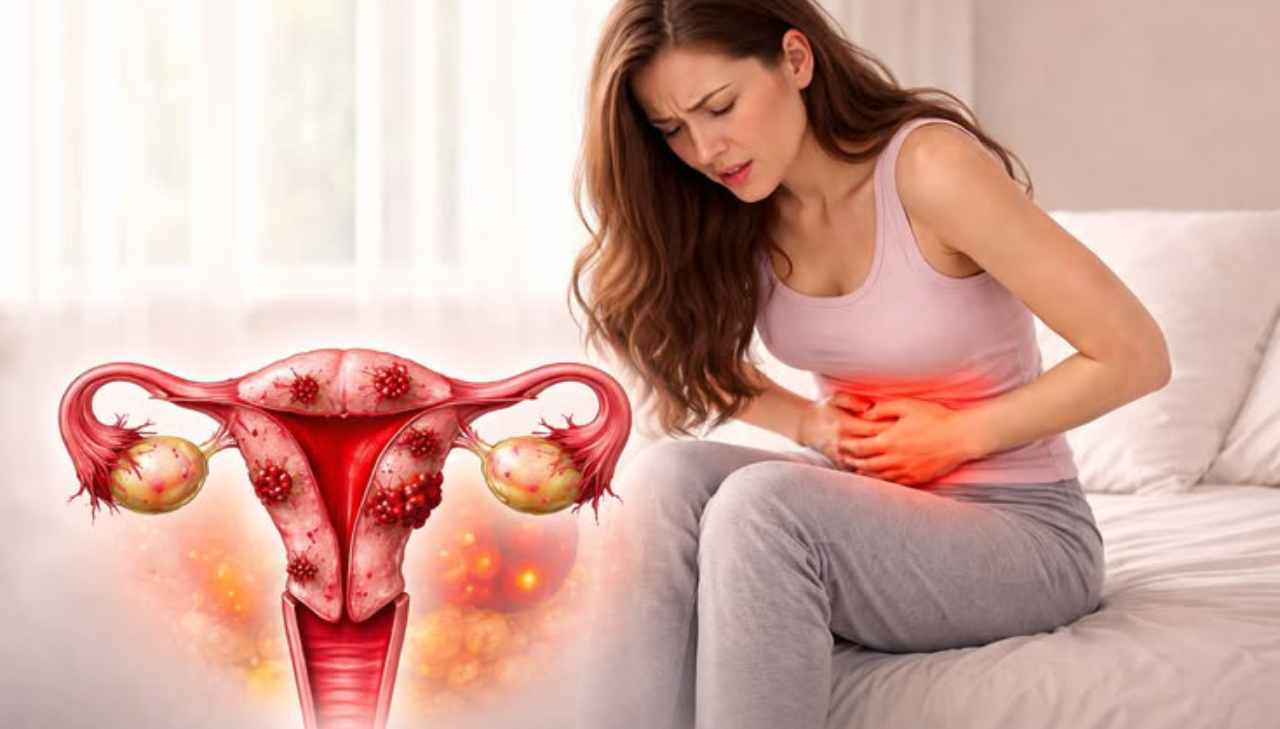
Vaginal Infections in Women: Symptoms, Causes, Treatment & Prevention Tips
Vaginal infections are among the most common gynecological concerns affecting women of all age groups. Many women experience symptoms such as itching, irritation, unusual discharge, or discomfort at some point in their lives. While some infections may appear mild initially, untreated vaginal infections can lead to recurring discomfort and affect overall intimate health.
Understanding the symptoms, causes, treatment options, and preventive measures can help women take better care of their reproductive health and seek medical attention at the right time.
What Are Vaginal Infections?
A vaginal infection occurs when there is an imbalance of healthy bacteria and yeast present in the vaginal area. The vagina naturally maintains a balanced environment that protects against harmful bacteria. However, certain lifestyle habits, hormonal changes, infections, or hygiene-related factors may disturb this balance.
Common types of vaginal infections include:
Yeast infections
Bacterial vaginosis
Vaginitis
Sexually transmitted infections (STIs)
Trichomoniasis
These infections can affect women differently depending on age, immunity, and overall health conditions.
Common Causes of Vaginal Infections
Several factors may increase the risk of vaginal infections in women.
Hormonal Changes
Hormonal fluctuations during menstruation, pregnancy, menopause, or due to contraceptive pills may affect vaginal pH balance.
Poor Intimate Hygiene
Using harsh soaps, scented products, or improper hygiene practices can irritate sensitive skin and increase infection risk.
Antibiotic Use
Long-term antibiotic use may reduce healthy vaginal bacteria, allowing yeast and harmful bacteria to grow.
Tight Clothing
Wearing tight jeans or synthetic underwear may trap moisture, creating an environment favorable for infections.
Sexually Transmitted Infections (STIs)
Certain infections can spread through sexual contact and may lead to irritation, discomfort, or abnormal vaginal discharge
Symptoms of Vaginal Infections
The symptoms may vary depending on the type and severity of infection. Some common signs include:
Vaginal itching or irritation
Burning sensation while urinating
Thick white or unusual discharge
Foul or fishy odor
Redness or swelling around the vaginal area
Pain during intercourse
Pelvic discomfort
Women experiencing persistent symptoms should consult a qualified gynecologist for proper diagnosis and treatment.
Vaginal Infection Treatment
Treatment depends on the underlying cause of the infection. Self-medication may sometimes worsen the condition or delay recovery.
Common treatment options include:
Antifungal medicines for yeast infections
Antibiotics for bacterial infections
Medicated creams or suppositories
Lifestyle and hygiene modifications
Seeking timely care from the Best Gynecologist in South Delhi can help prevent complications and recurrent infections.
Tips to Prevent Vaginal Infections
Maintaining proper intimate hygiene and healthy lifestyle habits can reduce the risk of infections significantly.
Maintain Proper Hygiene
Clean the intimate area gently using mild and fragrance-free products.
Wear Breathable Clothing
Choose cotton underwear and avoid tight-fitting clothes for long durations.
Stay Hydrated and Eat Healthy
A balanced diet and good hydration help support immunity and vaginal health.
Avoid Scented Feminine Products
Strong chemicals in sprays, wipes, and washes may disturb the natural vaginal balance.
Practice Safe Intimacy
Using protection during intercourse may reduce the risk of sexually transmitted infections.
Also Read : Top 10 Menstrual Hygiene Tips Every Woman Should Follow
Importance of Regular Gynecological Checkups
Routine gynecological checkups help identify infections early and support long-term reproductive health. Women should not ignore symptoms like abnormal discharge, itching, irregular bleeding, or pelvic pain.
Consulting an experienced lady gynecologist in South Delhi can help women receive timely diagnosis, preventive care, and personalized treatment.
Why Choose Dr. Yuvakshi Juneja?
Dr. Yuvakshi Juneja is regarded as one of the Best Gynecologists in Delhi NCR, offering specialized care for a wide range of women’s health concerns. Her clinic focuses on providing comprehensive gynecological care with attention to patient comfort and long-term wellness.
As a trusted lady gynecologist in South Delhi, Dr. Yuvakshi Juneja focuses on understanding each patient’s concerns carefully before recommending suitable treatment options. She also provides specialized care in Adolescent Gynecology to support the reproductive and hormonal health of teenage girls and young women.
Learn more about adolescent gynecological care here : Teenage Gynecological Issues and Adolescent Care
Conclusion
Vaginal infections are common but should never be ignored. Early diagnosis and proper treatment can help prevent complications and recurring discomfort. Maintaining healthy hygiene habits, following preventive care measures, and consulting an experienced gynecologist are essential for better intimate and reproductive health.
Women experiencing persistent symptoms should seek medical guidance from a trusted gynecology specialist for accurate diagnosis and effective treatment.
FAQs
1. What are the common symptoms of vaginal infections?
Common symptoms include itching, burning sensation, unusual vaginal discharge, foul odor, redness, and discomfort during urination or intercourse.
2. What causes vaginal infections in women?
Vaginal infections are usually caused by bacterial imbalance, yeast overgrowth, hormonal changes, poor hygiene habits, tight clothing, or certain infections spread through sexual contact.
4. How are vaginal infections treated?
Treatment depends on the type of infection and may include antifungal medicines, antibiotics, creams, or lifestyle and hygiene changes prescribed by a gynecologist.
5. Can vaginal infections go away on their own?
Some mild infections may improve, but most require proper medical treatment. Self-treatment is not recommended as it may worsen the condition.
6. How can I prevent vaginal infections?
Maintaining proper intimate hygiene, wearing breathable cotton underwear, avoiding scented products, and practicing safe intercourse can help prevent infections.
7. When should I consult a gynecologist?
You should consult a gynecologist if symptoms persist for more than a few days, keep recurring, or include severe itching, pain, or unusual discharge.