Top 10 Menstrual Hygiene Tips Every Woman Should Follow
Maintaining proper menstrual hygiene is essential for every woman’s health and well-being. During periods, the body becomes more sensitive, making it important to follow the right period hygiene tips to prevent infections, discomfort, and irritation. Good menstrual hygiene practices not only keep you fresh but also protect your reproductive health in the long run.
In this blog, we will discuss the top 10 menstrual hygiene tips every woman should follow for a safe and healthy period experience.
1. Choose the Right Sanitary Product
One of the most important menstrual hygiene practices is selecting the right product for your body. Whether you prefer sanitary pads, tampons, or menstrual cups, ensure they are comfortable, skin-friendly, and suitable for your flow. Organic or chemical-free products can help reduce irritation and rashes.
2. Change Products Regularly
Changing your sanitary product every 4–6 hours is crucial. Prolonged use can lead to bacterial growth, unpleasant odor, and even infections. This is one of the most basic yet often ignored period hygiene tips that can significantly impact your health.
3. Wash Your Hands Before and After
Always wash your hands thoroughly before and after changing sanitary products. This simple habit prevents the transfer of bacteria and keeps infections at bay. Maintaining hand hygiene is a key part of overall hygiene during periods.
4. Clean the Intimate Area Properly
Gently clean your intimate area with warm water at least twice a day. Avoid using harsh soaps or scented products, as they can disturb the natural pH balance and cause irritation. Opt for mild, pH-balanced cleansers if needed.
5. Dispose of Used Products Safely
Proper disposal of sanitary products is essential for both hygiene and environmental reasons. Wrap used pads or tampons in paper and dispose of them in a bin. Never flush them down the toilet, as it can lead to plumbing issues and environmental damage.
6. Wear Comfortable and Breathable Clothing
Tight or non-breathable clothing can trap moisture and increase the risk of infections. Choose loose, cotton-based underwear and clothing during your period to allow proper airflow and maintain dryness.
7. Stay Hydrated and Eat Nutritious Food
While it may not seem directly related, your diet plays an important role in menstrual health. Drink plenty of water and include iron-rich foods, fruits, and vegetables in your diet. A healthy body supports better hygiene and reduces discomfort during periods.
8. Avoid Using Scented Products
Scented sanitary products, wipes, or sprays may seem appealing but can cause irritation and allergic reactions. Stick to unscented, dermatologically tested products to maintain safe menstrual hygiene.
9. Track Your Menstrual Cycle
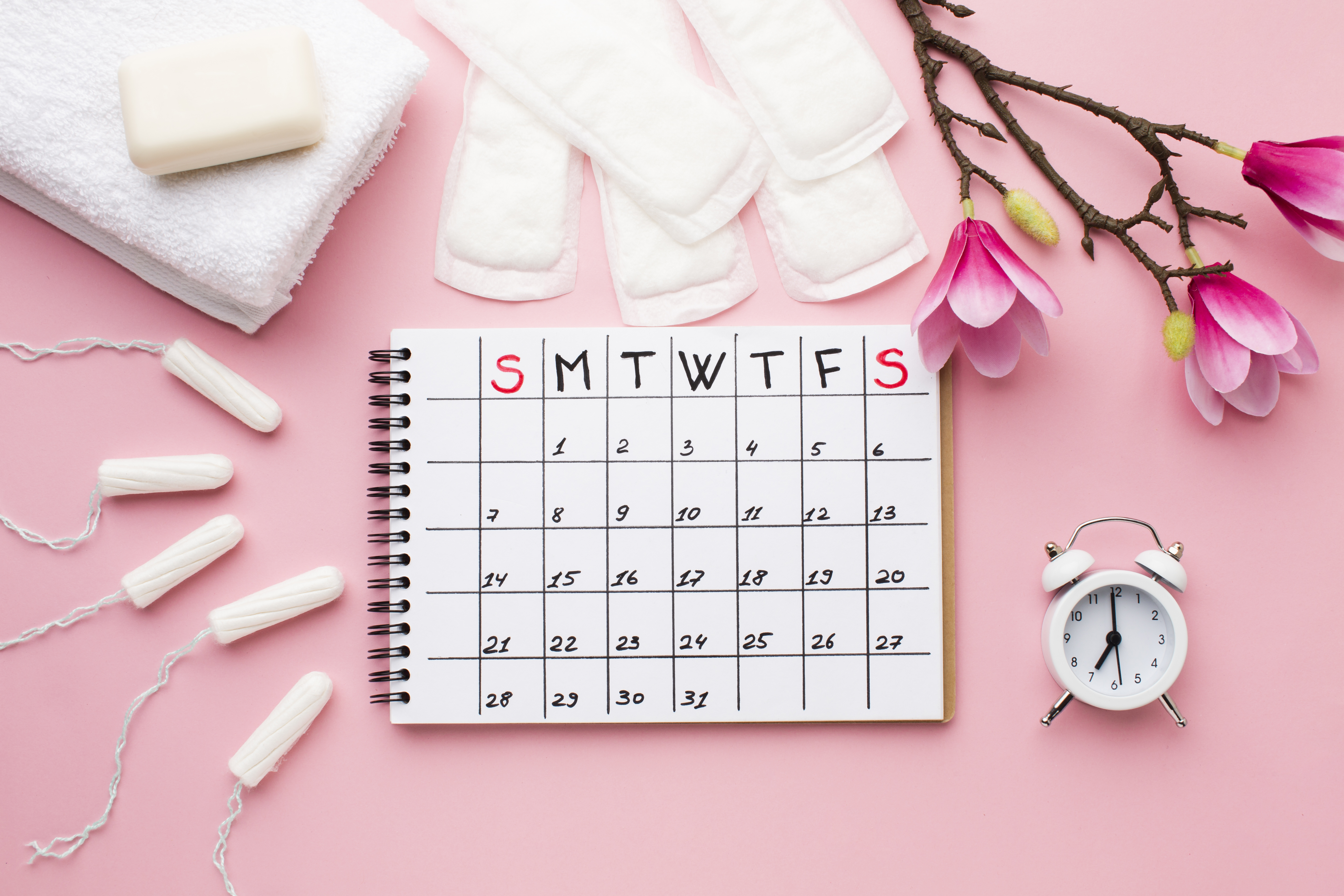
Keeping track of your cycle helps you stay prepared and maintain better hygiene. Knowing when your period is due allows you to carry necessary products and avoid last-minute stress. It also helps in identifying any irregularities that may require medical attention.
10. Maintain Overall Personal Hygiene
Taking regular showers, changing undergarments daily, and keeping your body clean are essential menstrual hygiene practices. Good personal hygiene not only keeps infections away but also boosts confidence during your period days.
Common Menstrual Hygiene Mistakes to Avoid
Even while following the right steps, many women make mistakes that can affect their health. Avoid:
Not changing pads frequently
Using scented hygiene products
Ignoring signs of infection
Wearing tight or non-breathable clothing
These habits can lead to discomfort and infections if not corrected.
When Should You See a Doctor?
While following proper menstrual hygiene is important, certain symptoms require medical attention. You should consult a doctor if you experience:
Severe menstrual pain
Heavy or irregular bleeding
Frequent infections
Missed or irregular cycles
Timely consultation ensures better diagnosis and treatment of underlying conditions like hormonal imbalance or PCOS. Women approaching menopause should also consider consulting a Menopause Specialist for expert guidance and care during this phase.
Final Thoughts
Maintaining good menstrual hygiene practices is essential for a comfortable and healthy period. By following these simple yet effective period hygiene tips, you can prevent infections and improve your overall well-being.
If you face recurring issues or discomfort, do not hesitate to seek expert advice. Consulting the Best Gynecologist in South Delhi can help you get accurate diagnosis, personalized treatment, and the right guidance for better reproductive health.
FAQs
1. How often should I change my sanitary pad or tampon?
You should change your sanitary pad every 4–6 hours and tampons every 4–8 hours to maintain proper hygiene.
2. What are the best menstrual hygiene practices?
Changing sanitary products regularly, maintaining cleanliness, wearing breathable clothes, and avoiding harsh products are key practices.
3. Can poor hygiene during periods cause infections?
Yes, poor hygiene during periods can lead to bacterial and fungal infections, irritation, and discomfort.
4. Is it safe to use tampons or menstrual cups?
Yes, they are safe when used correctly and cleaned or changed regularly.
5. What are the signs of infection during periods?
Itching, unusual discharge, foul odor, and irritation are common signs. Consult a gynecologist for menstrual problems if these occur.
6. What type of underwear is best during periods?
Cotton underwear is ideal as it allows proper airflow and reduces moisture buildup.