


Fibroids During Pregnancy: Causes, Risks, and Treatment Options
Pregnancy is a transformative journey, but it can also bring unexpected health concerns. One such condition is uterine fibroids, a common gynecological issue affecting many women of reproductive age. While fibroids are usually non-cancerous, they can sometimes influence pregnancy depending on their size, location, and number.
If you have been diagnosed with fibroids during pregnancy, understanding the condition can help you make informed decisions and reduce anxiety. Seeking guidance from the Best Gynecologist can ensure proper monitoring and personalized care throughout your pregnancy.
In this article, we'll explore the causes, symptoms, risks, and treatment options for fibroids during pregnancy, along with expert advice for managing a healthy pregnancy.
What Are Fibroids?
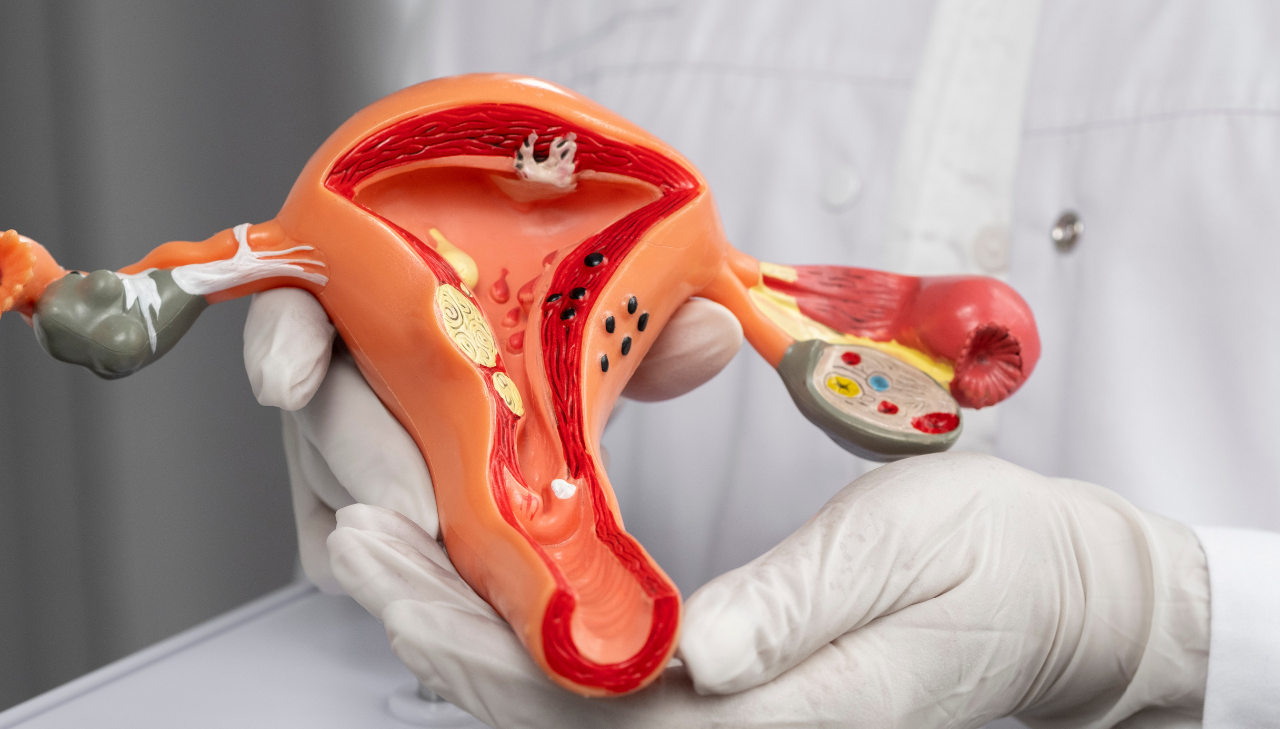
Fibroids, medically known as uterine leiomyomas, are non-cancerous growths that develop within or around the uterus. They can range in size from tiny nodules that are barely visible to large masses that can alter the shape of the uterus.
Fibroids are classified into different types:
Intramural Fibroids: Develop within the muscular wall of the uterus.
Subserosal Fibroids: Grow on the outer surface of the uterus.
Submucosal Fibroids: Develop beneath the uterine lining.
Pedunculated Fibroids: Attached to the uterus by a thin stalk.
Many women are unaware they have fibroids until they undergo an ultrasound during pregnancy.
What Causes Fibroids During Pregnancy?
Fibroids generally develop before pregnancy, but hormonal changes during pregnancy can affect their growth.
Some common factors associated with fibroids include:
Hormonal Changes
Pregnancy causes a significant increase in estrogen and progesterone levels. These hormones can stimulate fibroid growth, particularly during the first and second trimesters.
Genetic Predisposition
Women with a family history of fibroids are more likely to develop them.
Age
Fibroids are more common in women between 30 and 45 years of age.
Lifestyle Factors
Obesity, high blood pressure, and certain dietary habits may increase the likelihood of fibroid development.
Symptoms of Fibroids During Pregnancy
Not all women experience symptoms. However, when symptoms occur, they may include:
Pelvic pain or pressure
Lower abdominal discomfort
Frequent urination
Constipation
Backache
Abdominal swelling
Pain during movement or exercise
In some cases, a fibroid may outgrow its blood supply, leading to degeneration and causing sudden, severe pain.
Can Fibroids Affect Pregnancy?
Many women with fibroids have completely normal pregnancies and healthy babies. However, larger fibroids or multiple fibroids can sometimes lead to complications.
The impact depends on:
The size of the fibroid
Its location within the uterus
The number of fibroids present
Whether it interferes with the placenta or baby's position
Risks of Fibroids During Pregnancy
1. Increased Risk of Miscarriage
Fibroids that distort the uterine cavity may slightly increase the risk of miscarriage during early pregnancy.
2. Pain and Discomfort
As fibroids enlarge during pregnancy, they may cause pelvic pain and abdominal discomfort.
3. Placental Complications
Fibroids can occasionally affect placental attachment, increasing the risk of placental abruption or restricted fetal growth.
4. Preterm Labor
Women with larger fibroids may be at a higher risk of premature contractions and early delivery.
5. Abnormal Fetal Position
Fibroids can alter the shape of the uterus, making it difficult for the baby to move into the ideal head-down position before birth.
6. Cesarean Delivery
Depending on their location, fibroids may block the birth canal or interfere with labor progression, making a C-section necessary.
Although these risks exist, most women with fibroids successfully carry their pregnancies to full term with proper prenatal care.
Also Read: Bleeding in Early Pregnancy
How Are Fibroids Diagnosed During Pregnancy?
Fibroids are commonly diagnosed during routine prenatal ultrasounds.
Your gynecologist may evaluate:
Size of the fibroids
Location within the uterus
Growth pattern during pregnancy
Impact on the baby and placenta
Regular monitoring helps identify potential complications early and ensures timely intervention if needed.
Treatment Options for Fibroids During Pregnancy
Treatment during pregnancy focuses on symptom management and ensuring the safety of both mother and baby.
Regular Monitoring
In most cases, no active treatment is required. Instead, doctors closely monitor fibroid growth through periodic ultrasounds.
Pain Management
Mild to moderate pain can often be managed with pregnancy-safe medications prescribed by your doctor.
Adequate Rest and Hydration
Resting when needed and staying hydrated can help reduce discomfort associated with fibroids.
Nutritional Support
A balanced diet rich in fruits, vegetables, whole grains, and essential nutrients supports overall maternal health throughout pregnancy.
Hospitalization for Severe Symptoms
Rarely, severe pain or complications may require hospitalization for observation and treatment.
Surgery During Pregnancy
Fibroid removal surgery (myomectomy) is generally avoided during pregnancy because it may increase the risk of bleeding and pregnancy-related complications. Surgery is only considered in exceptional circumstances.
What Happens to Fibroids After Delivery?
Many fibroids shrink naturally after childbirth because hormone levels decrease significantly.
If symptoms continue after pregnancy, treatment options may include:
Medications
Hormonal therapy
Minimally invasive procedures
Myomectomy (fibroid removal surgery)
Your gynecologist will recommend the most suitable treatment based on your age, symptoms, and future pregnancy plans.
When Should You See a Doctor?
Seek immediate medical attention if you experience:
Severe abdominal pain
Heavy vaginal bleeding
Fever
Persistent contractions
Sudden pelvic pressure
Reduced fetal movement
Early diagnosis and prompt medical care can help prevent complications and protect both mother and baby.
Expert Fibroid and Pregnancy Care in Delhi NCR
Managing fibroids during pregnancy requires personalized care and close monitoring. At Dr. Yuvakshi Juneja Clinic, every pregnancy is carefully evaluated to ensure the health and well-being of both mother and baby. Through advanced diagnostic techniques, regular prenatal monitoring, and individualized treatment plans, women with fibroids can receive comprehensive support throughout their pregnancy journey.
Conclusion
Fibroids during pregnancy can be worrying, but they do not automatically mean a high-risk pregnancy. With proper monitoring, timely diagnosis, and expert medical care, most women with fibroids experience healthy pregnancies and successful deliveries.
If you are pregnant and have been diagnosed with fibroids, consulting the Best Gynecologist in South Delhi can help you understand your condition and receive the right care. At Dr. Yuvakshi Juneja Clinic, women across the region trust the expertise of one of the Best Gynecologist in Delhi NCR for personalized pregnancy and women's healthcare solutions.
FAQs
Do fibroids always grow during pregnancy?
No. Some fibroids grow due to hormonal changes, while others remain the same size or even shrink.
Can fibroids harm my baby?
Most fibroids do not affect the baby. However, larger fibroids may occasionally increase the risk of pregnancy complications.
Can I have a normal delivery if I have fibroids?
Yes. Many women with fibroids have successful vaginal deliveries. The delivery method depends on the size and location of the fibroids.
Can fibroids disappear after pregnancy?
Fibroids often shrink after childbirth but may not disappear completely.


