


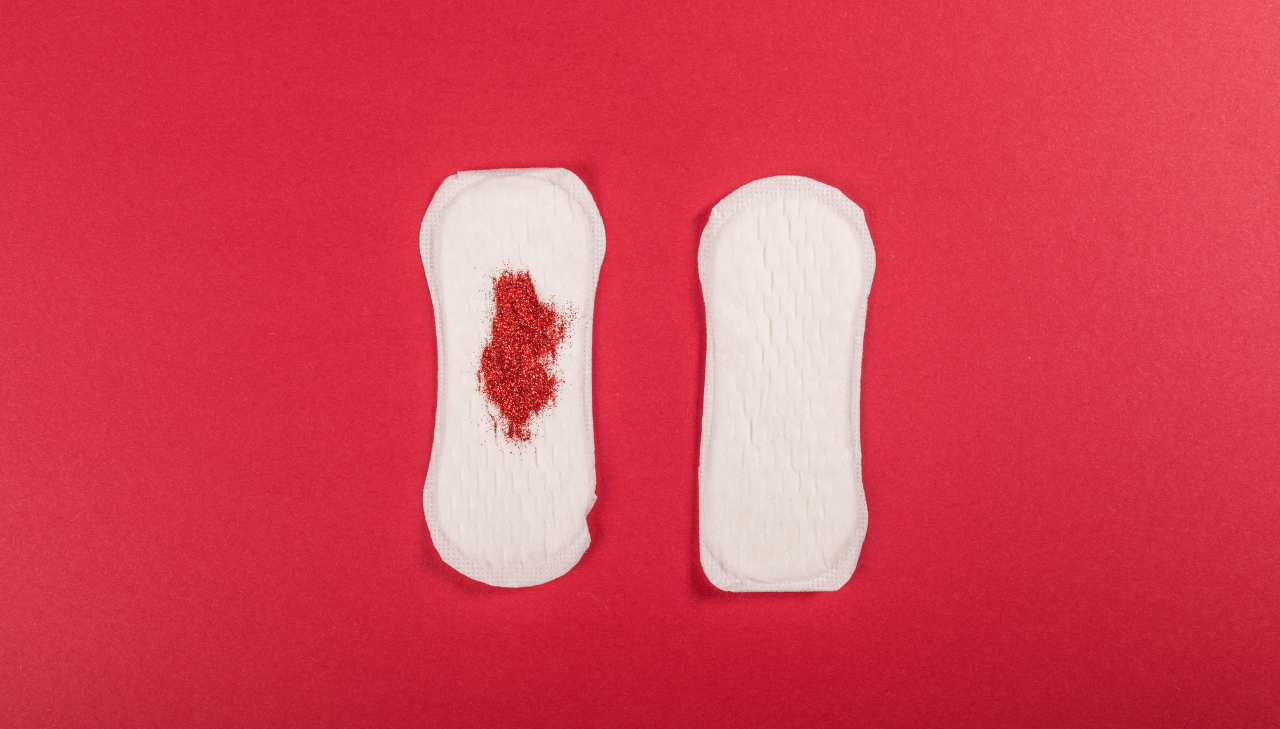
Blood Clots During Periods: Causes, Symptoms, and When to Worry
Seeing blood clots during your period can be worrying. However, small clots are often normal, especially during the first few days when your flow is heavier.
Large or frequent clots, very heavy bleeding, or severe pain may need medical attention. Understanding the causes and warning signs can help you know when to see a gynecologist.
What Are Period Blood Clots?
During your period, the uterus sheds its inner lining. Blood, tissue, and fluid then leave the body through the vagina. When menstrual flow is heavy, blood may stay in the uterus for a short time and form clots before leaving the body.
Period clots can be bright red, dark red, or brown. Small clots that appear occasionally are usually not a cause for concern. The main thing to watch is a change from your usual period. If you suddenly have heavier bleeding or larger clots, speak with a doctor.
What Causes Abnormal or Large Blood Clots During Periods?
Large or frequent blood clots are often linked to heavy menstrual bleeding. Possible causes include:
Hormonal changes: Hormonal imbalance can make the uterine lining thicker, leading to heavier bleeding.
Fibroids: These non-cancerous growths in the uterus can cause heavy periods, pelvic pressure, and larger clots.
Adenomyosis: This condition can cause heavy and painful periods.
Endometriosis: It may cause severe period pain and sometimes heavy bleeding.
PCOS: Irregular ovulation can lead to irregular and sometimes heavy periods.
Bleeding disorders: Problems with blood clotting can cause unusually heavy periods.
Medicines or contraception: Blood thinners and some contraceptives, such as copper IUDs, may increase bleeding.
If you regularly experience heavy bleeding or large clots, Dr. Yuvakshi Juneja can help identify the possible cause.
Also Read: 10 Common Causes of Irregular Periods & How to Manage Them
Symptoms of Period Clots That May Need Medical Attention
Small, occasional clots are usually normal. You should speak with a gynecologist if you:
Regularly pass clots larger than about 2.5 cm(coin size).
Need to change a pad or tampon every one to two hours.
Have periods lasting longer than seven days.
Experience severe period pain.
Feel weak, tired, dizzy, or short of breath.
Notice a sudden change in your normal flow.
Bleed between periods or after sex.
Very heavy bleeding with fainting, severe dizziness, or a fast heartbeat needs prompt medical attention. Women looking for the Best Gynecologists in Delhi NCR should consider getting checked if heavy periods affect daily life.
How Are Period Blood Clots Checked?
Your doctor may ask about your period length, bleeding, clot size, and pain. Depending on your symptoms, you may need blood tests or an ultrasound. Blood tests can also check for anemia caused by repeated blood loss. Keeping a simple period diary can help your doctor understand your symptoms.
Can Period Blood Clots Be Treated?
Treatment depends on the cause. Some women may only need monitoring, while others may need medicines to reduce bleeding or control pain. If fibroids, adenomyosis, hormonal problems, or anemia are found, treatment will focus on the underlying condition. Avoid taking medicines for repeated heavy bleeding without medical advice.
If you are looking for a lady gynecologist in South Delhi, an early consultation can help identify the cause.
Final Thoughts
Small blood clots during periods are often normal. However, large or frequent clots, very heavy bleeding, severe pain, or sudden changes in your period should not be ignored. If your period regularly affects your daily life, speak with a gynecologist to understand the cause and get the right care.
Disclaimer: The information shared in this article is intended for educational and informational purposes only. It does not replace medical consultation, diagnosis, or treatment. Always seek advice from a qualified healthcare professional for your individual needs.
FAQs
1. When to worry about clots on your period?
Worry if you regularly pass large clots, have very heavy bleeding, severe pain, or sudden changes in your normal period.
2. How long do period blood clots usually last, and when should you see a doctor?
Passing blood clots during the first 1 to 3 days of your period is normal because these are usually the heaviest flow days. As your period slows down, the clots usually disappear on their own.
3. What does an unhealthy period clot look like?
There is no single appearance that makes a clot unhealthy. Large or frequent clots with heavy bleeding or severe pain should be checked.
4. How to reduce clots during period naturally?
You cannot always prevent period clots naturally. Tracking your cycle and staying hydrated may help, but repeated large clots need medical evaluation.
5. Can stress cause larger blood clots during periods?
Stress can affect your menstrual cycle and may cause changes in bleeding. However, it is not usually a direct cause of large clots.


